Understanding Addiction and Recovery
Addiction is often misunderstood. Many people see it as a lack of willpower or a series of poor choices, but in reality, it is a complex condition that affects the brain, behaviour, and emotional wellbeing.
It can involve substances such as alcohol or drugs, or behaviours like gambling, eating, or excessive screen use. At its core, addiction develops when something that once brought relief or pleasure begins to take control.
How Addiction Develops
Most addictions start with a need. This could be a way to cope with stress, trauma, loneliness, or even boredom. Over time, the brain begins to associate that substance or behaviour with comfort or escape. As tolerance builds, more is needed to achieve the same effect. Eventually, it becomes less about choice and more about dependence.
It is important to understand that addiction does not happen in isolation. It is often linked to emotional pain, unresolved experiences, or ongoing stress. This is why simply removing the substance or behaviour is not always enough. True recovery involves addressing the underlying causes and learning healthier ways to cope.
The Reality of Recovery
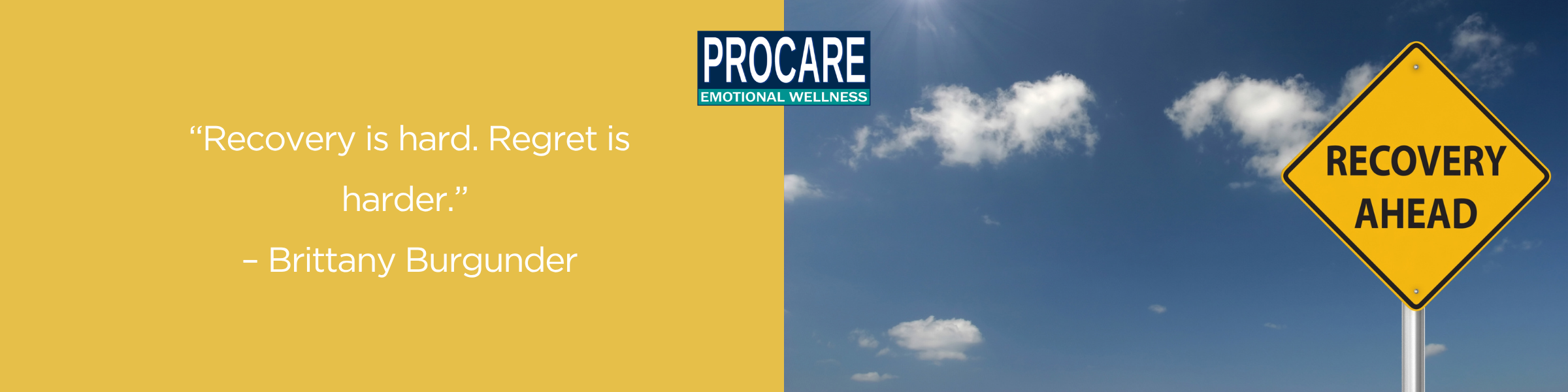
Recovery is not a straight line. It is a personal journey that can include progress, setbacks, and moments of doubt. This is a normal part of the process, not a sign of failure. What matters most is the willingness to keep going and to seek support when needed.
The Role of Support
Support plays a vital role in recovery. This might come from trusted friends, family members, support groups, or professional counselling. Speaking openly in a safe and non-judgemental space can help reduce shame and build a sense of connection. Many people find that understanding their triggers and patterns gives them a sense of control they may have felt they lost.
Building Healthier Coping Strategies
Developing new coping strategies is another key part of recovery. This could include learning how to manage stress, setting healthy boundaries, improving sleep, or finding activities that bring genuine enjoyment and purpose. Small, consistent changes often lead to lasting impact.
Practising Self-Compassion
It is also important to recognise the role of self-compassion. Recovery can be challenging, and being overly critical of oneself can make the process harder. Treating yourself with patience and understanding creates space for growth and healing.
Addiction does not define a person. With the right support, insight, and commitment, recovery is possible. It is not about becoming perfect, but about building a healthier, more balanced life one step at a time.
At PROCARE, we offer confidential counselling to support you through addiction and recovery.