Men’s Health and Ending Gender-Based Violence
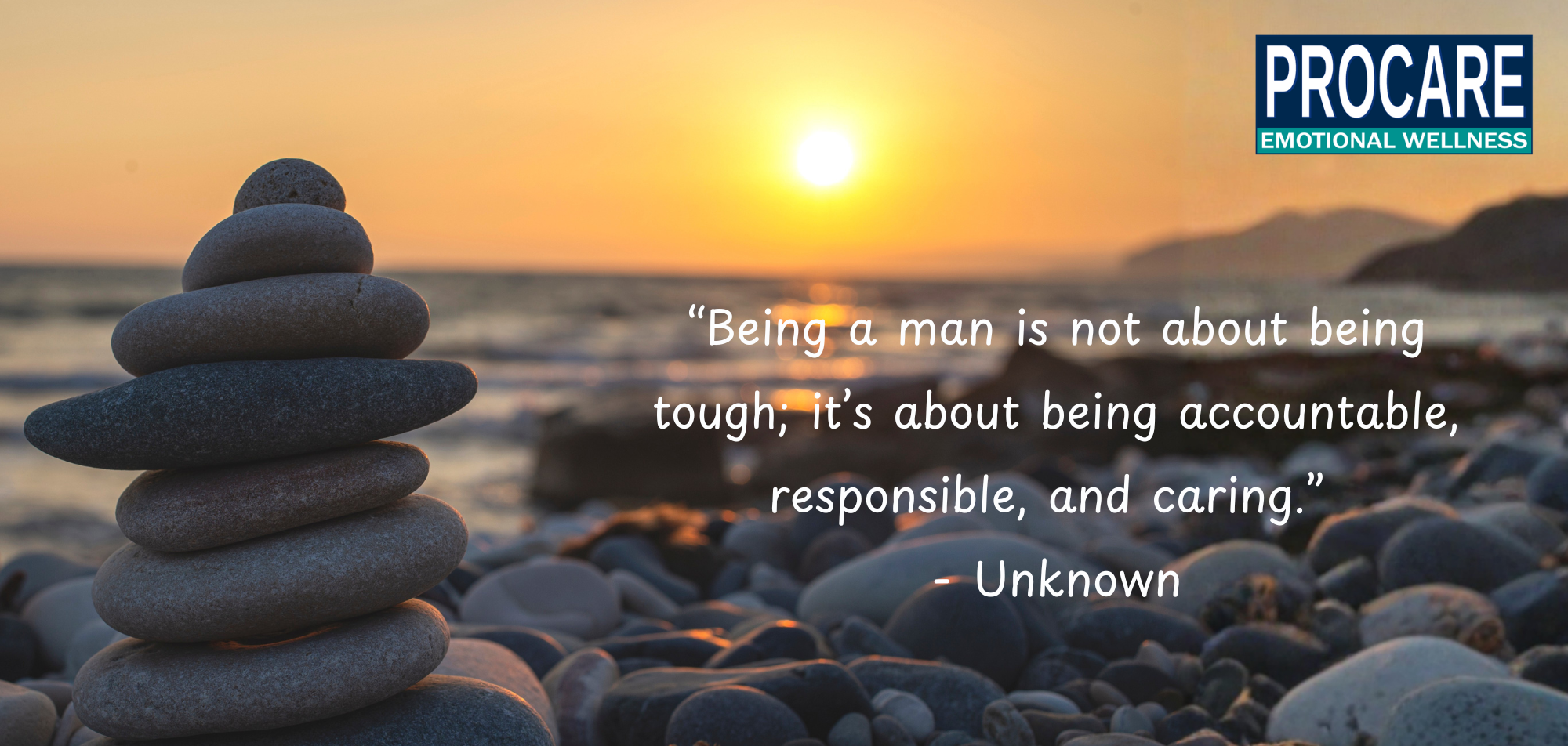
November is an important month on the global calendar, shining a spotlight on men’s health and the urgent need to end gender-based violence (GBV). At PROCARE, we believe these two issues are deeply connected. A healthier approach to manhood not only benefits men themselves but also helps create safer families, workplaces, and communities.
Why Men’s Health Matters
Too often, men face pressure to appear strong, independent, and “in control.” These expectations can lead to silence around mental health struggles, avoidance of medical check-ups, and the suppression of vulnerability. The result is that many men delay seeking help until health problems, whether physical or emotional, become critical.
Taking care of health is not a sign of weakness but of strength. Preventive check-ups, healthy lifestyle choices, open conversations about mental well-being, and reaching out for support are powerful steps men can take. Prioritising health enables men to live fuller, longer, and more balanced lives, while setting a positive example for younger generations.
Linking Men’s Well-being and GBV
Gender-based violence is often rooted in harmful ideas about masculinity, power, and control. When men are discouraged from expressing vulnerability or seeking support, frustration and unresolved struggles may sometimes manifest in harmful behaviours. Addressing men’s health holistically, body, mind, and relationships, offers an opportunity to break this cycle.
Encouraging men to embrace healthier models of masculinity means recognising that strength includes empathy, respect, and the courage to ask for help. When men are supported to build positive coping skills, the risk of harmful behaviours decreases, and the possibility of healthier relationships increases.
Creating Change Together
Ending GBV is not only a women’s issue. It requires the active participation of men and women working side by side to challenge harmful norms and build healthier communities. Every person has a role to play.
Men can contribute by:
Challenging harmful stereotypes and attitudes in daily life, such as dismissive jokes or comments that normalise violence.
Speaking out when they witness acts of violence, harassment, or inequality, and showing support for those who have been harmed.
Modelling respect and healthy communication in their families, friendships, and workplaces.
Building emotional awareness and resilience, and encouraging peers to do the same.
Taking responsibility for their own physical and mental health, which strengthens their ability to contribute positively to their communities.
Women and community organisations also play a vital role in creating safe spaces where men feel able to open up about their struggles and seek help without shame. By fostering dialogue between men and women, communities can dismantle harmful ideas about power and control and replace them with values of care, equality, and respect.
Real change happens when small actions are multiplied. A single conversation that challenges a stereotype, a workplace that commits to gender equity, or a father who models care and respect for his children all contribute to a larger culture shift.
A Call to Action
This November, PROCARE calls on men to prioritise their health, not only for themselves but also as part of building communities where violence has no place. By promoting men’s well-being and dismantling harmful norms, we can foster relationships rooted in respect, care, and equality.
Sources for Further Reading
Anxiety and Depression Association of America. (n.d.) Men’s Mental Health. Available at: https://adaa.org/find-help/by-demographics/mens-mental-health
Rescue.org. (2025) What is gender-based violence (GBV) — and how do we prevent it? Available at: https://www.rescue.org/article/what-gender-based-violence-and-how-do-we-prevent-it
Carlson, J., et al. (2015) ‘Strategies to Engage Men and Boys in Violence Prevention’, PMC. Available at: https://pmc.ncbi.nlm.nih.gov/articles/PMC4592362/
Men’s health and the end of gender-based violence are not separate conversations. They are part of the same vision: a society where everyone can live in safety, dignity, and hope.